BLOG / WHY ARE BUGS COMING INTO MY HOUSE IN THE FALL?
As the temperatures start to cool down in Ontario, you may notice something strange happening around your home - bugs start showing up.
You may see cluster flies around your windows, boxelder bugs gathering on the sunny side of your house, pine seed bugs finding their way indoors, or Asian lady beetles appearing in large numbers.

So, where are they coming from?
These type of pets are called overwintering pests. As fall arrives, they begin looking for a warm, dry and protected place to spend the winter. Unfortunately, your home or business can look like the perfect place to settle in.
Here are some of the most common questions we hear about overwintering pests in Ontario.
Overwintering pests are bugs and insects that seek out warm, protected places where they can safely spend the winter. Rather than dying off when the weather gets cold, these pests become inactive and wait out the winter until warmer temperatures return.
While some overwintering pests remain outdoors, others find their way into homes, cottages, barns, garages and businesses. Once inside, they may hide away in wall voids, attics and other secluded areas until spring.
The problem? You may not know they're there until a warm winter day or the arrival of spring wakes them up. Suddenly, you can find what seems like an infestation of bugs around your windows, doors and lights.
There are several common overwintering pests here in Ontario. The ones we see most often include:
For this blog post, we're focusing on the four nuisance insects that commonly surprise homeowners in the fall, winter and spring: cluster flies, boxelder bugs, pine seed bugs and Asian lady beetles. These pests have different habits and appearances, but they all have one thing in common - they're looking for a safe place to get through the winter.
Simply put, they're looking for somewhere safe and warm to spend the winter.
As temperatures begin to drop in late summer and fall, overwintering pests start looking for shelter. Your home or business can provide the key thing they are seeking:
You may notice these pests gathering on the sunny, south-facing sides of your home during the day. When temperatures drop in the evening, they look for cracks, gaps and other openings that will lead them inside. Once they've found a way in, they can settle into wall voids, attics and other secluded areas and remain there until warmer weather returns.
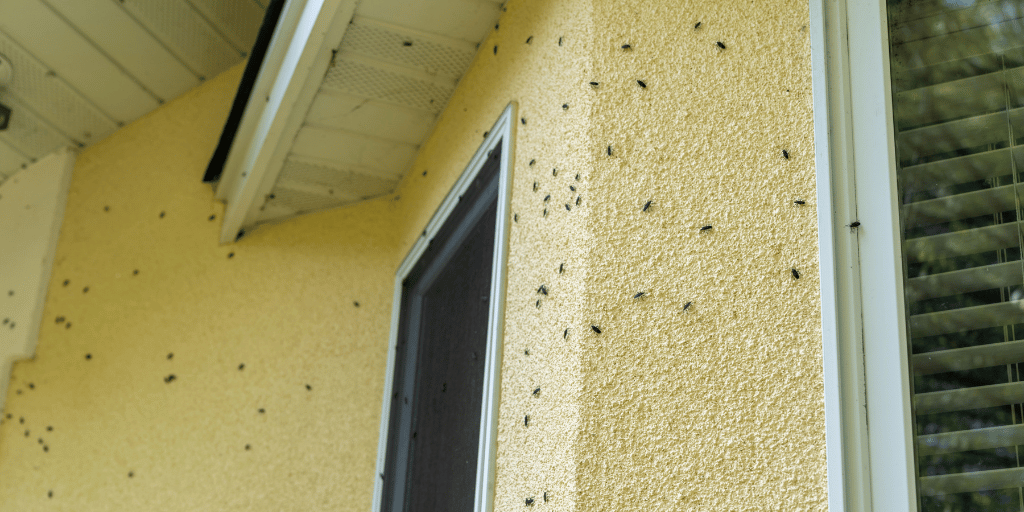
Fall is the core season when overwinter pests get inside homes. As temperatures begin to cool in late summer and early fall, overwintering pests start looking for their winter shelter.
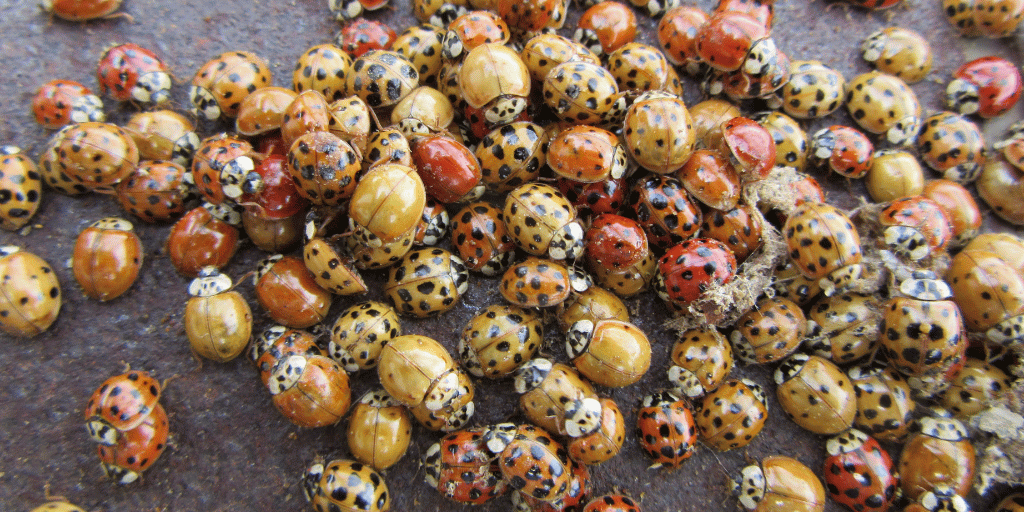
Cluster flies are often among the first to start looking for places to overwinter. Boxelder bugs and pine seed bugs follow, while Asian lady beetles typically begin seeking shelter after fields are harvested and their food source, aphids, becomes less available.
This is why fall is such an important time to think about pest prevention. By the time you're seeing large numbers of bugs inside your home in the winter or spring, they may have already been inside for months.
If you notice more overwintering pests some years than others, you’re not imagining it. Pest populations naturally fluctuate, and weather conditions can play a big role in how many insects survive and become active.
A mild winter can allow more of some pests to survive, while spring and summer conditions, food availability, habitat and natural predators can also affect population numbers. As a result, you may see a noticeable increase in cluster flies, Asian lady beetles, boxelder bugs or pine seed bugs one year and far fewer the next. Sometimes, one or pest types are more prevalent than others.
That’s why it’s important not to wait for a “bad” year. Fall is the best time to get ahead of overwintering pests by pest proofing and seeking a preventative treatment from a licensed and experienced pest control professional.
Once they get inside, overwintering pests look for quiet, protected places where they can remain undisturbed. Common hiding spots include:
This is one of the reasons overwintering pest problems can catch homeowners by surprise. They may not see anything happening during the coldest part of winter, only to suddenly find large numbers of insects around their windows or lights when temperatures rise on unusually warm winter and spring days.
If you're suddenly seeing bugs inside your house during the winter (e.g. cluster flies loudly and slowly buzzing at your windows), there's a good chance they came inside during the fall. Overwintering pests remain dormant while temperatures are cold. When we get an unusually warm winter day, however, they can wake up and become active again. You may find them crawling or flying around windows, doors and light fixtures, especially where the sun has warmed the area.
So, what looks like a brand-new winter pest problem is actually a fall pest issue that went unnoticed.
For most of the common overwintering pests we're talking about here, they come inside to overwinter, not to reproduce.
During the cold winter months, pests such as boxelder bugs, pine seed bugs and Asian lady beetles remain inactive. They aren't feeding or reproducing while they're dormant. Cluster flies also don't reproduce inside your home. They breed outdoors, with their larvae developing as parasites of earthworms.
There is one important exception to keep in mind - fertilized female wasps and hornets overwinter so they can establish new colonies in the spring. That's one reason wasps and hornets should be treated differently from nuisance overwintering insects such as cluster flies and pine seed bugs.
Most of the overwintering insects commonly found in Ontario homes are considered nuisance pests. They can be annoying and unpleasant to have around, but they aren't all dangerous.
For example, pine seed bugs do not sting or bite people or animals, and they don't carry or transmit disease. Cluster flies are also nuisance pests and are not a sign that your home is dirty or unsanitary.
Asian lady beetles and boxelder bugs can also become a major nuisance when they enter in large numbers. Asian lady beetles can leave stains and an unpleasant odour when crushed and can also bite. Pine seed bugs are known for the unpleasant smell they can release when squished.
The important thing is to identify what you're dealing with. Not every pest that comes indoors during the winter poses the same level of concern. A pest control expert can help with proper pest identification and advise on the best solution to address the issue.
Overwintering pests don't need a wide-open door or window to get inside. Small cracks, gaps and openings around your home can be all they need. Common entry points include:
In the fall, these pests can spend their days warming themselves on the sunny sides of buildings. As evening temperatures drop, they move into cracks and crevices and make their way inside. If pests have successfully overwintered in your home before, there's a good chance they'll find the same entry points again.
The most impactful thing you can do is prevent them from getting inside in the first place. Pest proofing should be an ongoing effort:
For homes and businesses that experience recurring problems, combining year-round pest proofing with a professional fall pest control treatment can help prevent or minimize overwintering pest activity.
Before they get inside! Fall is the ideal time to take preventative action because this is when overwintering pests are actively looking for a safe, warm and dry place to spend the winter. Don't wait until you're seeing hundreds of bugs around your windows in January or March. By then, they've already found their way inside.
Take the time to inspect and pest-proof your home before fall gets underway. If you've had a recurring overwintering pest problem in the past, fall is still the best time to consider a professional pest control treatment. It is designed to help prevent new generations of overwintering pests from getting inside in the first place.
If in the very late winter and early spring you discover overwintering pests inside your home or business, a spring treatment can address the pests already in your home and bring great relief.
If you're seeing a few bugs here and there, you may be able to address some potential entry points yourself. But if you're dealing with large numbers of overwintering pests, recurring infestations, or pests that are getting into areas you can't easily access, it's a good idea to call a local pest control professional.
Overwintering pest problems can be particularly challenging in rural and country areas, and pest proofing alone may not always be enough to completely eliminate the problem. A pest control professional can identify the pest you're dealing with, determine where they're getting inside and recommend the best way to prevent or manage the problem.
At Environmental Pest Control, we've been treating overwintering pests since 1988 and we’re known experts for addressing country living pest issues. We know that the best time to get ahead of these pests is before they settle in for the winter.
If you've had problems with cluster flies, Asian lady beetles, boxelder bugs or pine seed bugs in the past, contact our team for safe and effective solutions.



NO RELIANCE ON PESTICIDE PRODUCTS - LEARN ABOUT OUR GREEN PEST MANAGEMENT SYSTEM


